Optimal Nutrition for Men and Women in Their 40s and 50s Engaged in Strength Training
As we age, maintaining proper nutrition becomes increasingly vital for overall health and fitness, especially for those of us participating in strength training activities. I will make a breakdown of macronutrients and dietary recommendations for men and women in their 40s and 50s who engage in progressive overload weight training.
I will talk about protein, carbohydrates (or carbs) and fats. How much of each nutrient a particular food contains is written on its package, or you can find it online. As for calories – the protein contains 4 calories per gram; carbs are the same; fat contains 9 calories per gram.
Macro-nutrients and Their Functions
- Carbohydrates: Carbs are the body’s primary source of energy. They are broken down into glucose, which fuels our muscles and brain. Carbs also play a role in maintaining blood sugar levels and supporting overall cellular function. Carbs replenish the muscles glycogen stores during and after a workout and they give us energy for training. If you are building muscle (not losing weight), take some fast carbs before a workout for a faster muscle mass increase.
- Protein: Proteins are essential for building and repairing tissues, including muscles, bones, and skin. They are made up of amino acids, which are vital for numerous bodily functions, including enzyme production, immune function, and hormone regulation. Protein intake should be spread evenly throughout the day, especially before and after a workout.
- Fats: Dietary fats are important for energy storage, hormone production, and nutrient absorption (particularly fat-soluble vitamins). Healthy fats, such as omega-3 fatty acids, also have anti-inflammatory properties and support cardiovascular health. Avoid fats intake around a workout because they slow the metabolism of protein and carbs.
Nutrition Guidelines for Men and Women (40s and 50s) Engaged in Strength Training
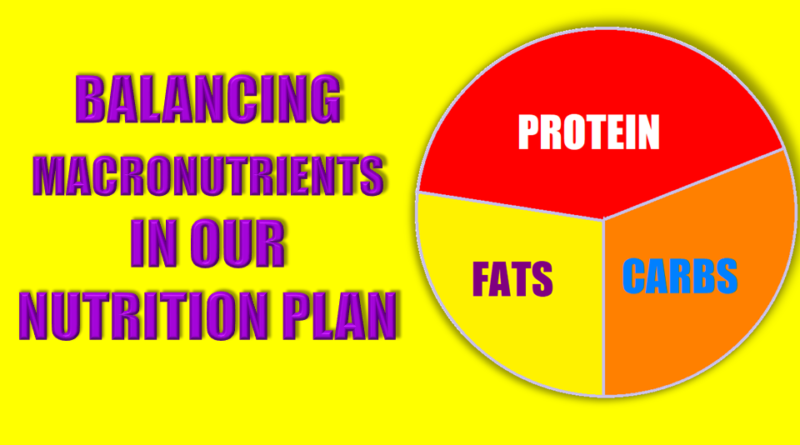
Most bodybuilders use the rule 40% protein, 40% carbs, 20% fats per day when they are building muscle but also don’t want to put on much extra weight, I mean fat. However, over 40, we need our hormones to work perfectly, which require a bit more fats intake – maybe 25 – 30%.
- Carbohydrates: Aim for about 40-45% (men) and 35-40% (women) of total daily calories from carbohydrates. Focus on whole grains, rice, potatoes, oats, quinoa, buckwheat, fruits, vegetables, and legumes to provide sustained energy for workouts and recovery.
- Protein: Men and women: Consume approximately 35-40% of total daily calories from protein sources. Opt for lean proteins like poultry, fish, lean red meat, eggs, dairy, legumes, and plant-based protein sources to support muscle repair and growth.
- Fats: Allocate around 20-25% (men) and 25-30% (women) of total daily calories from healthy fats. Include sources like nuts, seeds, avocados, olive oil, and fatty fish to promote joint health, hormone balance, and overall well-being.
One very important fact is that if you combine foods rich in fibres, such as fruit and vegetables, with foods rich in carbs, for example bread, the carbs get absorbed slower. The result is that we experience less glucose spikes, which is good for our health, and we do not feel hungry for a longer period.
By all means, try to avoid or reduce the use of sugar, sunflower oil, soft drinks, processed foods which are rich in transfats. Instead, you could try stevia, olive oil, foods rich in Omega 3 and supplements with Omega 3.
How Many Calories Per Day Do Men and Women (40s and 50s) Engaged in Strength Training Need?
That depends on whether you want to lose, maintain or gain weight.
There are different calculators available online. No matter which one you choose, please bear in mind that that’s just a rough estimation of how many calories you will need.
Each person’s metabolism is different depending on many factors – how active you are during the day, how much rest you get, what your present eating habits look like, and so on.
The best strategy is to introduce some changes in your nutrition and wait 10 -14 days to see the outcome. Then, twitch and tweak again, and again.
Do not decrease your calories too much if you want to lose some weight. The brain perceives a drastic negative energy balance as a possible threat to our survival. Through control of the thyroid gland the body can lower metabolism in order to conserve energy. So, you may end up eating less and not losing any weight.
Don’t be under the impression that you should count every calorie or you should not eat any junk foods you like. Everything should come in moderation. For example, I eat around 4 – 5 times per day – two of the meals are around my workouts.
Just find what works for you.
And don’t forget to stay hydrated – drink plenty of water!
* * *
By following these general guidelines and focusing on a balanced diet rich in quality macro-nutrients, we, men and women in our 40s and 50s can support our strength training efforts, promote muscle growth and recovery, and optimize overall health and well-being for good 💪🙂❣
P.S. Are you interested what to eat when?